















Your dog is scratching. And scratching. And scratching again. At first, you don't think much of it, but when an hour later it's still going on and he starts licking his paws and rubbing his head on the carpet, you start to wonder. What's going on? Is this normal? And what can you actually do about it?
Itching in dogs is one of the most common complaints dog owners face, and at the same time, one of the most underestimated. Because a dog scratching occasionally is one thing, but a dog with severe itching that injures itself, doesn't sleep, and is constantly distracted, is an animal that is suffering. And that deserves proper attention.
In this article, we'll explain everything: what the causes are, how to recognize them, what you can do yourself, and when a veterinarian should be consulted.
Why is my dog itching?
Before you can do anything about your dog's itching, you need to know where it comes from. And that's less simple than it seems, because the causes are diverse.
The most common cause is allergies. Like humans, dogs can be allergic to anything: pollen, grass, dust mites, molds, but also food ingredients such as chicken, beef, grains, or certain additives. Food allergies are tricky because they don't always stand out immediately and can develop later in life, even if your dog has eaten the same food for years without problems.
Parasites are a second common culprit. Fleas are the best known, but scabies mites, hair mites, and lice can also cause intense itching. The nasty thing about fleas is that you don't always see them, but the salivary reaction to a single flea bite in sensitive dogs is enough to cause days or even weeks of itching. Does your puppy have an itch and you see nothing in its coat? Still check for flea dirt by combing through the coat with a fine comb and holding it over white paper.
Skin infections form a third category. Bacterial and yeast infections are common in itchy dogs, often as a result of a pre-existing problem. A dog scratches itself open, the skin becomes damaged, and bacteria or yeast seize their chance. You can recognize it by red, moist, or crusty spots, a musty or sour smell, and sometimes hair loss in the affected area.
Finally, there are environmental factors such as dry air in winter, certain detergents or floor cleaners, and contact with irritating plants or materials. Sometimes the cause is surprisingly simple, but that simple cause is often overlooked more than you'd think.

Dog has itchy skin and drinks a lot: pay attention to this combination
There's a specific combination that deserves extra attention: a dog has itchy skin and drinks a lot. This sounds like two separate problems, but together they can indicate a hormonal disorder such as Cushing's syndrome or hypothyroidism. In Cushing's syndrome, the body produces too much cortisol, leading to skin problems, itching, increased thirst, and increased urine production.
This is precisely the type of signal where you should not wait. An itchy dog is annoying, a dog with a hormonal disorder needs medical guidance. So don't just pay attention to the itching itself, but also to everything else that's going on. Behavioral changes, different eating habits, or a dog suddenly exhibiting restless behavior that he didn't have before, are all pieces of the puzzle that together provide a more complete picture.
How do you recognize the severity of the itching?
Not all itching is the same. There's a difference between a dog that scratches occasionally and a dog with severe itching that injures itself. Here are the signs that indicate there's more going on:
-
Constant scratching, biting, or licking of the same spot or all over the body
-
Red, irritated, or damaged skin from scratching
-
Hair loss or bald patches
-
Crusts, wet spots, or an unpleasant smell on the skin
-
Restlessness and poorer sleep due to the itching
-
Loss of appetite, similar to problems with a dog not eating where the focus is entirely on discomfort
-
Paws discolored brown from excessive licking
The more of these signs you recognize, the greater the chance that there is a serious underlying cause that requires professional attention.
What helps with dog itching: what you can do yourself
Good news: there are a number of things you can do as an owner to provide relief to your dog, especially while waiting for a veterinary consultation or for milder forms of itching.
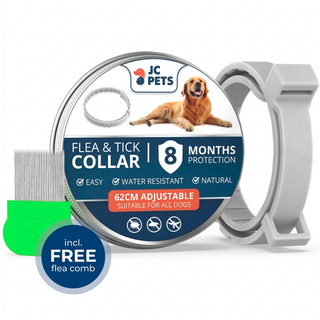
Start by checking for parasites. Systematically go through the coat, paying extra attention to the neck, armpits, groin, and the space between the toes. Use a fine flea comb and always treat both the dog and the environment for fleas, as ninety percent of flea eggs and larvae are in the environment, not on the dog itself.
Take a critical look at the food. If you suspect food allergies play a role, you can consider an elimination diet where you switch back to a simplified diet with one protein source and one carbohydrate source that your dog has not had before. This requires patience, as a food allergy test takes at least eight to twelve weeks, but it can be extremely illuminating.
Also consider targeted supplements. Anti-itch for dogs based on omega-3 fatty acids, such as fish oil or flaxseed oil, supports the skin barrier and reduces inflammatory reactions. These supplements don't work overnight, but with consistent use, many dogs show significant improvement after four to six weeks. A popular and practical option are anti-itch treats for dogs, which contain the same active ingredients but are easy to administer daily without fuss.
Also, keep the skin as healthy as possible physically. Don't wash your dog too often or too little, always use a mild dog shampoo suitable for sensitive skin, and make sure he is completely dry after washing before going outside or into his bed. Moist skin is a breeding ground for yeast and bacteria.

Soothing dog itch: temporary relief
If the itching is acute and your dog is clearly uncomfortable, you can provide temporary relief while waiting for a solution. Rinsing the itchy area with lukewarm water already helps, as it calms the skin slightly and washes away possible irritants. A cold wet cloth on a damaged or red area also provides cooling.
What you should not do: use human anti-itch creams or hydrocortisone creams without consulting a veterinarian. Some ingredients that are safe for humans are not safe for dogs, especially if the dog continues to lick the area. Well-intentioned, but potentially harmful.
When to go to the vet?
Some situations require professional help, and it's important to know when that line has been crossed. Go to the vet if the itching persists for more than a week without a clear cause, if there are open wounds or infections, if your dog also has other complaints besides itching, such as excessive urination, think of a dog peeing indoors for no apparent reason, or if he is clearly losing weight or wasting away.
Also, if your dog shows behavioral changes in addition to itching, such as barking more than usual, similar to nuisance barking dog situations where a dog clearly signals that something is wrong, that's an additional reason not to wait.
The vet can determine what exactly is going on and initiate targeted treatment through skin scrapings, allergy tests, or blood and urine tests. Sometimes it's a course of antibiotics, sometimes an antiparasitic treatment, sometimes dietary advice. But always better than guessing and letting your dog suffer in the meantime.
Itching is a signal, not a minor issue
That is the main thread of this story. Itching in dogs is not a trifle that will go away on its own. It is a signal from your dog that something is wrong, whether it's a parasite, an allergy, an infection, or something hormonal. And the sooner you pick up on that signal and take it seriously, the sooner your dog will get relief.
Start by observing, critically examine the environment and food, provide good basic care, and intervene when the situation demands it. You know your dog best. Trust that and act accordingly.