






Cats are curious explorers, and that extends to their taste buds. Unfortunately, many popular plants, from houseplants to garden flowers, are toxic to cats. In this article, you'll discover which plants are dangerous, what is extremely toxic, and which plants actually deter cats. This way, you can make your home and garden safe for your feline friend!
Why are some plants toxic to cats?
Cats are naturally curious and love to explore their surroundings, sniff things out, and even taste them. Plants are often particularly interesting to them, especially if they are indoors or growing in the garden where your cat likes to roam. Unfortunately, many plants contain substances that are toxic to cats. Sometimes they only cause mild symptoms such as vomiting or diarrhea, but some species can even be life-threatening.
It is therefore important to know which plants are toxic to cats so that you can safely arrange your home and garden. This way, you prevent unpleasant surprises and can enjoy greenery in your home with peace of mind.
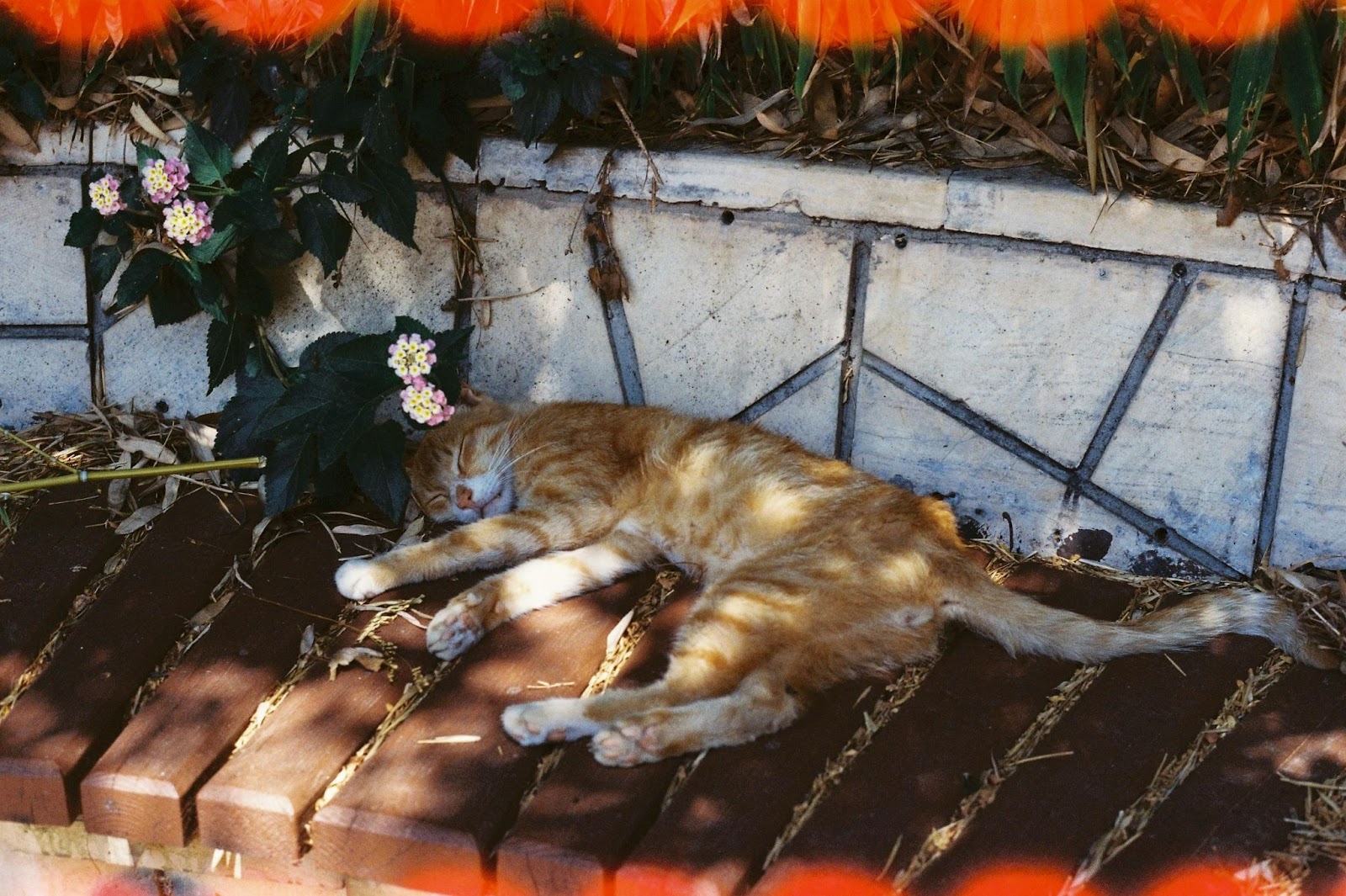
Which plants are dangerous for cats?
Cats sometimes nibble on plants out of boredom or curiosity. This can lead to them accidentally ingesting toxic substances. Pay extra attention to these common toxic plants for cats.
Do you have an adventurous outdoor cat who loves to roam through the garden? Then don't forget to regularly check for ticks and fleas, and consider using a cat flea collar for extra protection.
Toxic houseplants
Many popular houseplants are unfortunately not safe for cats. For example:
-
Lilies: Even a small piece of leaf or pollen can cause acute kidney failure.
-
Dieffenbachia (Dumb Cane): Contains irritating crystals that cause mouth swelling and breathing problems.
-
Aloe vera: The sap can cause vomiting, diarrhea, and lethargy.
-
Monstera (Swiss Cheese Plant): Toxic due to calcium oxalate crystals – dangerous if swallowed.
-
Philodendron: Similar symptoms to Dieffenbachia.
Toxic garden plants
In the garden, there are also plants your cat should stay away from:
-
Oleander: Very toxic – a few leaves can be fatal.
-
Holly: The berries cause gastrointestinal issues and sluggishness.
-
Yew (Taxus): Seeds and needles are deadly to cats.
-
Rhododendron: Can cause heart rhythm disturbances and coma.
-
Tulip: The bulb, in particular, is dangerous.
What is extremely toxic to cats?
Some plants are so toxic that even a small amount can be life-threatening. Lilies, in particular, are notorious: all parts of the plant, even the pollen, can cause acute kidney failure in cats. Oleander, cyclamen (especially the tuber), lilac, and yew are also extremely dangerous.
Symptoms of poisoning include drooling, trembling, breathing difficulties, and sudden lethargy. If you see these signs, contact your vet immediately.
Which houseplants are toxic to cats?
It's sometimes difficult to remember which houseplants are safe and which are not. Here's a handy overview of houseplants you'd better avoid if you have cats:
-
Peace Lily – Can cause mouth irritation and swallowing problems.
-
Dracaena – Can lead to vomiting and loss of appetite.
-
Sansevieria – Causes mild poisoning with diarrhea.
-
Ivy – Can cause respiratory problems if ingested.
-
Poinsettia – Causes gastrointestinal issues (usually not fatal).
Note: some plants have tricky names, but always check the label or ask at the garden center if you're unsure.
Which plants deter cats?
Want to keep cats out of your garden without chemicals? There are plants that cats naturally dislike due to their scent or thorns. Consider lavender, lemon thyme, firethorn, Coleus canina (also known as "scaredy cat plant"), and rosemary. These plants are not toxic, but cats prefer to avoid them. Handy if you want to protect your garden without worrying about toxic plants.
Tip: Combine these plants with ground covers like cocoa shells – cats hate the feeling under their paws!
Safe alternatives: these plants are allowed!
Fortunately, there are also plenty of cat-friendly plants that you can place in your home or garden without worry. Think of spider plant, calathea, bromeliad, orchid, and (some) ferns like the Boston fern. These plants are not only safe but also beautiful to look at.
In addition to choosing safe plants, it's important to keep your cat's living environment clean and stress-free. Regularly cleaning the litter box not only prevents unpleasant odors but also helps keep your cat healthy and happy – just as important as avoiding toxic plants!
What to do in case of poisoning?
Do you suspect your cat has nibbled on a toxic plant? Stay calm and remove any plant debris from your cat's mouth. Call the vet immediately and (if possible) note the name of the plant. Do not give water or food unless advised by the vet. Acting quickly can make all the difference!
How to make your home and garden safe for cats?
Making your home and garden safe starts with awareness. Always check new plants for toxicity before purchasing them. Place toxic plants out of reach or choose safe alternatives. In the garden, you can combine cat-friendly plants with deterrent species to keep your cat safe and unwanted cats out.
For those who truly want the best in hygiene, an automatic litter box is recommended. This type of litter box is easy to clean thoroughly and does not absorb odors, so your cat always has a fresh place – good for you and your cat.
How do I train my cat to stop eating (toxic) plants?
Cats and plants: it remains a challenging combination! Do you want to prevent your cat from nibbling on (toxic) plants? Place dangerous plants out of reach as much as possible or remove them entirely. Give your cat a safe alternative, such as cat grass, so they have something to nibble on.
If your cat keeps getting caught, place plants in a high spot or use a scent that cats dislike, such as citrus. Also, provide plenty of distraction with toys and attention, such as a cat laser pointer. Be patient and reward good behavior. This way, you keep both your cat and your plants safe!
A green and safe environment for your cat
Whether you have an indoor cat or an adventurous outdoor cat, it's important to know which plants are toxic to cats. By consciously choosing safe plants and avoiding toxic species, you give your cat a safe and pleasant living environment. And remember: if in doubt, always check, because prevention is better than cure!