













Walking with your dog: What should you pay attention to?
For many dogs, it's the highlight of the day: a brisk walk, nose in the wind, discovering new scents and perhaps even meeting a few friends. But let's be honest, not every walk is a relaxing outing. Sometimes it turns into a test of strength, a barking concert, or a race against the clock to quickly clean up that little pile before anyone sees it.
How do you ensure that walking remains a pleasure, for both you and your dog? What are the pitfalls, how do you prevent unwanted behavior, and how do you make every walk a relaxing experience?

The right way to walk: who leads whom?
Many dog owners recognize this scenario: you haven't even walked five meters and your dog is already enthusiastically dragging you along, nose to the ground, completely uninterested in your pace. Walking should be relaxing, not a competition to see who is stronger.
The key is to take the lead. You set the pace and direction, not your dog. Teach him to walk nicely beside you by occasionally changing direction or stopping if he pulls. Reward good behavior with a friendly voice or a small treat. This way, the walk becomes a shared activity instead of a struggle.
Some dogs pull out of pure excitement or because they are not yet well-trained. In that case, a special anti-pull harness can help reduce pressure on their neck and give you more control.
Extra tip: dogs who are regularly active and have a good grooming routine often behave more calmly during walks. Healthy coat care plays an important role in this. Not only does it prevent tangles and dirt buildup, but a well-groomed coat also contributes to your dog's overall well-being. Do you want to know more about how to best approach this? Then check out our guide to grooming your dog's coat.

How to deal with other dogs and people on the way?
Not every dog is equally social, and not everyone is waiting for an over-enthusiastic four-legged friend to jump up on them. Always be mindful of your surroundings.
If you encounter another dog, first observe how both dogs react. A relaxed body posture and wagging tail usually mean an encounter will go well. But if your dog is tense or hesitant, do not force contact.
Also, pay attention to joggers, cyclists, and small children. Some dogs may react unexpectedly to fast movements, so keep your dog on a short leash if you notice him getting agitated.
What if your dog barks during the walk?
Barking is natural for dogs, but some four-legged friends make a habit of barking at everything and everyone during a walk. This can be due to:
-
Excitement – Some dogs get so excited that they can't control themselves.
-
Frustration – A dog that doesn't get enough exercise may express this through excessive barking.
-
Fear or insecurity – Dogs that feel threatened sometimes try to make themselves 'bigger' by barking.
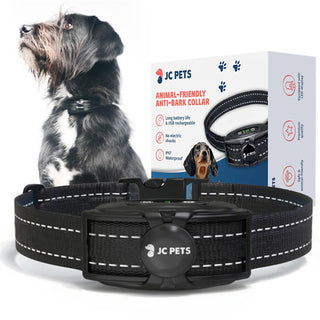
A humane anti-bark collar with a vibration function can help if your dog barks uncontrollably during walks. These collars work without electric shocks and only give a subtle vibration as a reminder to stay calmer.
Additionally, you can reduce barking by distracting your dog with a toy or treat and rewarding him when he is quiet. Patience and repetition are key here.
Walking and traveling: a combination that requires preparation
Sometimes a walk is not just a stroll around the neighborhood, but you take your dog on an adventure to a forest, the beach, or a nature reserve. Wonderful, but it requires a little extra preparation.
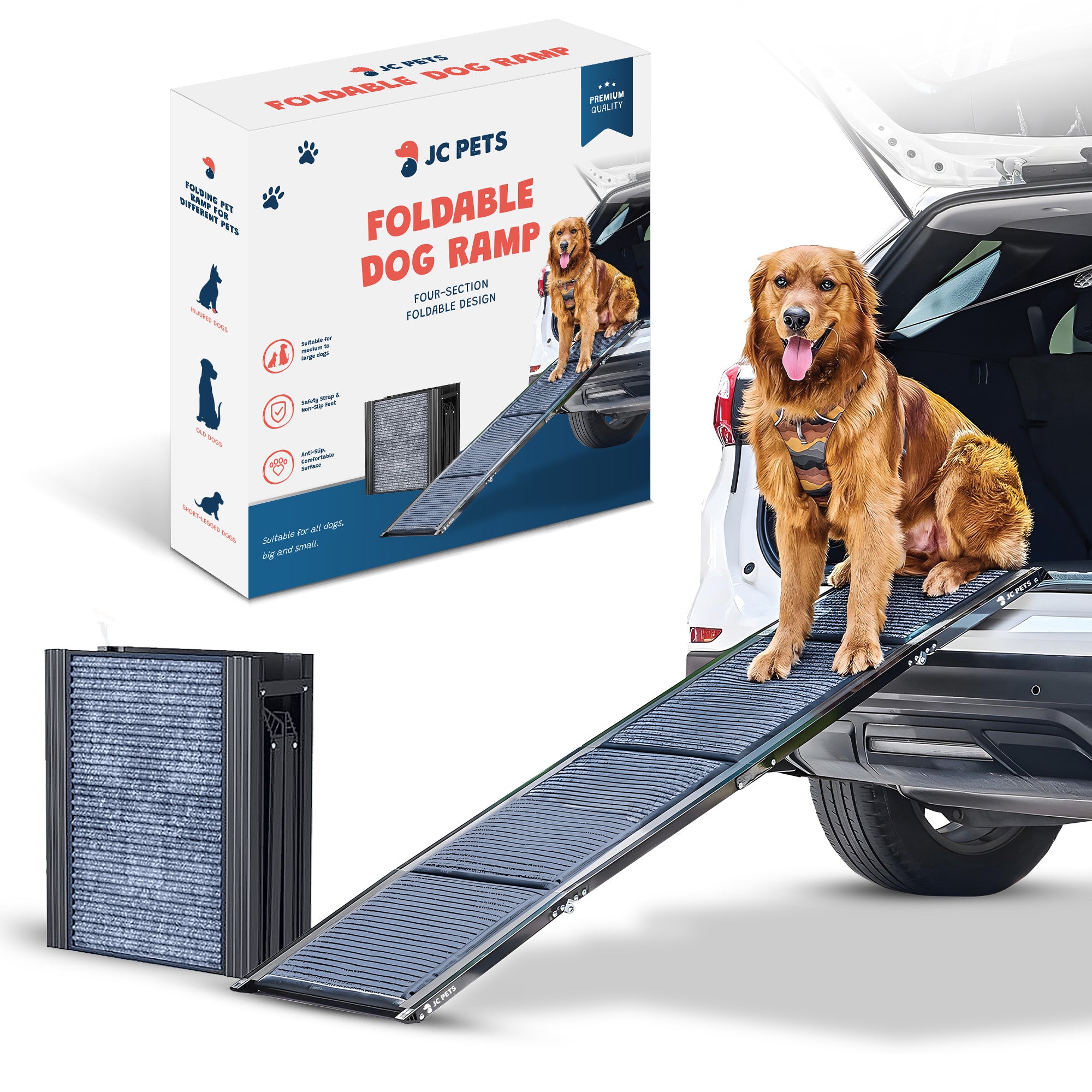
For longer trips, it's important to think not only about your dog but also about your car. Wet sand, muddy paws, and hair can ruin your upholstery in no time. Fortunately, there are ways to protect your car so you can hit the road worry-free. Do you want to know how to keep your back seat tidy and still travel in style with your dog? Then read how to protect your car and travel in style with your dog.
Once at your destination, it's useful to check if dogs are allowed off-leash and if there are water stations available. This way, you avoid surprises and you and your dog can optimally enjoy the walk.
Walking in different weather conditions
It would be easy if we only walked our dogs in perfect weather, but the reality is different. Rain, cold, or even bright sun – dogs need their exercise, regardless of the season. In summer, it's important to plan walks during cooler parts of the day and pay attention to hot asphalt, which can burn your dog's paw pads, because you need to keep your dog cool properly.
In rainy weather, a water-repellent jacket helps keep your dog dry, while an old towel by the door prevents your entire house from getting muddy. And in winter? Some dogs, especially short-haired breeds, struggle with low temperatures.
Pay close attention to their behavior and adjust walking times if you notice they are getting cold. With a little preparation, you can enjoy a pleasant walk in any season – and so can your dog!

Enjoying every walk together
Walking with your dog is one of the most valuable moments of the day. It's not just a way to expend energy, but also an opportunity to strengthen your bond. With the right preparation, a little training, and some patience, you can make every walk enjoyable for both you and your dog.
So put on your shoes, grab the leash (and don't forget the dog poop bags!) and go on an adventure together. Your dog will be grateful – and you'll notice how much more pleasant it is to go out together in a relaxed way.
Does your dog not want to walk with you? Then read our article and do some research!