



A lovely summer day is often enjoyable, but for dogs, heat can sometimes bring more stress than pleasure. Especially new dog owners wonder every year: "How do I cool my dog down?" and "What should I do if my dog is too hot?"
In this blog, we'll take you into the world of dog cooling and provide practical tips for keeping cool, signs of overheating, and everything you need to know to keep your dog safe and happy, whether you have a puppy or one of the larger dog breeds.
Why is cooling important for dogs?
Dogs are less able to dissipate heat than humans. We sweat to regulate our body temperature, but a dog can only do this through panting and to a limited extent through their paw pads. Especially on warm days, it's important to be alert: overheating can be dangerous and in severe cases even fatal.
Certain popular dog breeds are extra sensitive to heat, such as French Bulldogs, Pugs, Cavaliers, and other brachycephalic dogs. But large, older, and active dogs also benefit from extra dog cooling.

Symptoms of overheating: how to recognize that your dog needs cooling
Before you start thinking about how to cool your dog, it's good to know how to tell if your dog is too hot. Look for the following signs:
-
Excessive panting, restless behavior, or weakness
-
Feeling warm to the touch, especially in the groin or armpits
-
Red tongue and gums
-
Vomiting, diarrhea, or drooling
-
Lethargy or even collapse
If you see these symptoms, you need to act immediately and cool your dog down.
What to do if your dog is too hot?
If your dog overheats, it's important to act very quickly. Immediately take your dog to a cool, shaded spot, give them fresh drinking water, and gently wet them with lukewarm (never ice-cold) water. Avoid panic and, if necessary, place wet cloths in the groin, armpits, and on the belly for a gradual temperature decrease.
Always call the vet if in doubt or if your dog remains very weak or dizzy. Overheating can have fatal consequences.
Why shouldn't you wet a dog in hot weather?
You may have heard that it's not advisable to directly wet a dog in the heat. But why not? Rinsing directly with ice-cold water can cause a too rapid drop in body temperature, which can be dangerous and even lead to shock. It's better to use lukewarm water and work with wet towels or a wet sponge.
Never let your dog jump into a cold bath suddenly during extreme heat. So, if you want to cool your dog, do so gradually.

How can I lower my dog's temperature?
Lowering your dog's body temperature can be done in several responsible ways. Always provide fresh drinking water, preferably distributed throughout the house and garden. Let your dog lie on a cool floor or in the shade and avoid strenuous activity during the hottest hours of the day.
Especially during heat, avoid heavy activities. So, if you notice your dog doesn't want to walk, don't force them and plan walks early in the morning or later in the evening.
A well-adjusted fan indoors, or an open window with a draft (but not directly on the dog), can also help lower the room temperature.
How can I cool my dog then?
Want to know how to cool your dog? Below you will find ways that work, without risks for your furry friend. This is the only bullet list in this article, so make use of it:
-
Give your dog fresh and cool drinking water, preferably in multiple bowls spread throughout the house and garden.
-
Use a damp towel, sponge, or special cooling mat and place it on your dog's belly, groin, or armpits.
-
Let your dog lie on cool tiles or in the shade and, if necessary, provide a fan indoors.
-
Alternate outdoor play with long rest periods indoors, especially during the hottest hours of the day.
-
Give cooling snacks or frozen toys, but make sure they are safe.
-
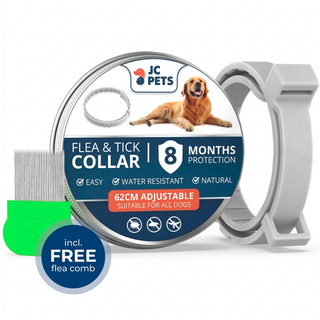
Use a dog tick collar: this protects your dog from parasites, which are sometimes more active in warm weather.
Prevention tips: how to keep your dog cool on warm days
The best policy is always prevention. Plan walks in the morning or evening; do not force if your dog does not want to walk in the heat. Let your dog rest at home in a cool place. With puppies, and especially when leaving a puppy home alone in the summer, extra caution is required.
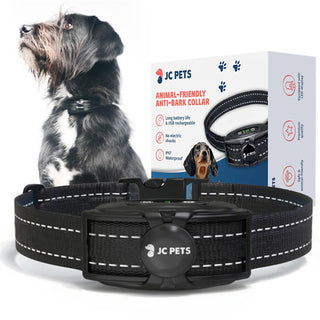
Make sure your dog always has the opportunity to retreat from the sun and offers plenty of water. If you have an active dog, you can consider placing a cooling mat or a water bowl. And don't forget: some dogs bark more easily in stressful situations, so if you're looking for solutions for a bark collar for anxiety, know that cooling in the summer certainly contributes to a calmer home.
Also don't forget the importance of regular grooming. A well-trimmed coat (for example with a dog clipper) keeps your dog cooler and prevents mats where heat can get trapped.

Extra attention for common challenges
Warm weather brings extra risks, especially for puppies, older dogs, and certain breeds. Some dogs from popular breeds generally have more difficulty with heat, so take time to cool your dog and adjust your daily schedule.
Never lose sight of the fact that your dog needs to be able to dissipate heat; a shady spot, a well-groomed coat, and plenty of water are essential. Always keep dog poop bags ready for the necessary hygiene during the (limited) walk.
Cool through the summer together
Keeping a dog cool is not rocket science, but it does require alertness, a bit of creativity, and a lot of loving attention. By applying the tips in this blog, you ensure that your dog, puppy, or senior, big or small, stays healthy and happy. Give your dog rest, water, shade, and cooling, and enjoy the beautiful summer days together.