




An unfed tick is surprisingly small. Think of a sesame seed or even smaller — sometimes no bigger than a pinhead. The color varies by species: from light brown and reddish to almost black. The legs are located at the front of the body, which distinguishes them from other small insects or fleas.
If you check your dog's coat after a walk, look for small, dark bumps that are firmly attached. A tick that hasn't been feeding for long feels like a tiny grain or bump in the skin. They prefer areas where the skin is thin and warm: behind the ears, in the groin, between the toes, around the armpits, and on the belly.
Then there's the engorged tick, and that looks very different. After several hours to days of feeding, a tick changes from a minuscule speck to a grayish-white, swollen ball the size of a pea or even a grape. This size scares many owners, but it's actually good news in that you can at least see it clearly. A white tick on a dog is almost always a tick that is already well-filled with blood; the light gray to pearly white color is the result of that expansion.
Do you always find what you're looking for? Not necessarily.
There's a catch here, or rather, a tick in the coat. In dogs with a thick, dark, or curly coat, a tick can be overlooked very quickly. Even the most attentive owner can miss a small tick among thick undercoat or long hair. Always use your fingertips and your eyes: systematically feel through the entire coat, row by row, and pay attention to small irregularities in the skin.
A good dog clipper can also work wonders for long-haired breeds when it comes to inspection: a shorter coat around risk areas makes ticks more visible. This is not only useful against ticks but also for general grooming. And speaking of general grooming: regularly washing your dog also helps you keep a close eye on their skin and coat, provided you do it correctly for your dog's breed.

What do you do if you find a tick?
Staying calm is step one. Finding a tick on your dog sounds alarming, but if you act quickly and correctly, the chance of problems is small. The most important thing: remove the tick as soon as possible. The longer a tick is attached, the greater the chance of transmitting pathogens. The general guideline is that Lyme disease transmission only becomes truly dangerous after 24 to 48 hours, but don't wait for that; just remove it immediately.
Use a tick remover tool or tick lasso, available at any vet or pharmacy. Grasp the tick as close to the skin as possible, twist gently to the left or right (the direction doesn't make much scientific difference, despite all the folk wisdom), and then pull gently upwards. Make sure you get the head out.
What you shouldn't do: squeeze it, smear it with Vaseline, drip alcohol on it, or try to burn it. That might sound logical as a trick, but it actually causes the tick to get stressed and pump more saliva, and thus more potential pathogens, into the wound.
And leaving a tick on a dog in the hope it will detach on its own? That's a persistent misconception. A tick will detach on its own when it's fully fed, but that takes days. During that time, the chance of infection increases significantly. So, never wait; take action.
What after removal?
After removal, clean the spot with antiseptic wound spray or iodine. Don't just throw the tick away; put it in a jar or bag so you can keep it in case symptoms appear later. A vet can then determine the species if necessary.
Monitor the spot for the next few weeks. A wound after a tick bite on a dog should normally heal after a day or two. If there is persistent redness, swelling, a circle around the bite, or discharge, this is a signal to go to the vet immediately. The same applies if your dog starts behaving differently: loss of appetite, fever, stiffness in the joints, or extreme fatigue are possible signs of an infection.
One symptom sometimes confused with something else: a dog shaking or trembling after a tick bite can be a sign that something is wrong, but it can also be pure stress. Trust your gut and have it checked if in doubt.
Ingrown tick: when is it too late?
Sometimes you're out of luck and you discover the tick too late. An ingrown tick on a dog is a tick that has been attached for so long that the skin has grown somewhat around it, or where the head remained after removal. Don't panic, but act quickly. A retained head doesn't necessarily lead to an infection, but the risk is increased. Don't try to remove it yourself with a needle or knife; that's really a job for the vet.

Prevention: better safe than sorry
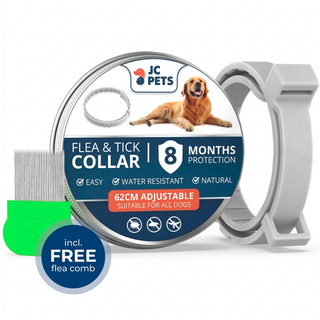
Now that you know how to identify a tick, the next step is to ensure they have fewer opportunities in the first place. There are several products on the market: spot-on pipettes, tick tablets, and the dog flea collar that also offers protection against ticks. A flea collar is practical because it works continuously and requires little attention, but always check if it actually protects against ticks, as not all collars do.
Always combine prevention with regular checks, especially during tick season from March to November. Check your dog after every outdoor walk, even if you were "just out" for a short while.
Social context: you as the owner also play a role
Cats are more solitary animals, but dogs are naturally social and active. This means they go outside, and being outside means a risk of ticks. Whether you're dealing with a busy puppy you're still teaching to be left alone, or an older dog with separation anxiety who wants to go for a walk every day, both types of dogs go outside and deserve the same careful check when they come home.
And you know what else helps? Just good observation. A dog that keeps scratching one spot, behaves strangely, or barks more than usual, whether it's a nuisance barking dog situation with neighbors or your own dog barking at other dogs during a walk, can also indicate discomfort. Not every change in behavior is related to ticks, but it pays to be alert to signals from your dog.

Finally: know your dog, know the risks
Ticks are unavoidable if you have a dog that goes outside. But with the right knowledge, good prevention, and a regular checking routine after every walk, you really don't have to worry about them. Recognize a tick, remove it quickly and correctly, monitor the wound, and if in doubt, go to the vet.