















Introduction
Welcoming a new dog into your life is an exciting experience, filled with joy but possibly also a dose of nervousness. Especially the first few days can be overwhelming, both for you and your new four-legged friend. This blog offers a comprehensive guide to help you during this crucial phase. We cover everything from preparing for and picking up your dog to introducing them to your home. So if you're wondering what to expect during the first few days with your new dog, read on.
Phase 1: Preparation
Preparation is everything when bringing a new dog home. Before you pick up your new dog, make sure you have all the essential supplies in place. Choosing the right dog food is vital. Consider your dog's age, breed, and any health issues when selecting food. Consult a vet for the best advice if necessary.
Another preparation is making your home safe. Puppies are particularly curious and can easily get themselves into trouble. Think about stair gates and ensure toxic substances are out of reach.
Preparing a sleeping place is also an unmissable step. A comfortable bed or crate provides your dog with a safe place where they can retreat.
Socialization is another important aspect of preparation. If you already have other pets, consider how you will introduce the new dog. It's also important to think about your dog's training. Various methods and training schedules are available to help you with this.

Phase 2: Pick-up Day
The day has come to pick up your new dog. This is a big step, and it's normal to feel a little nervous. Make sure you have a safe method of transport ready. A crate or dog seatbelt can help safely transport your new family member.
When you first meet your dog, try to remain calm and composed. Dogs are very sensitive to human emotions, and if you are nervous, they might become nervous too. Take your time and let the dog get used to you. Don't forget to bring a favorite toy or blanket, so your dog has something familiar in the new environment.
After picking up, the first ride home is a good time for bonding. Talk calmly to your dog, and if it's safe, let another family member drive so you can spend some time with your new dog in the back seat.
Once you arrive home, the real introduction can begin. But more on that in the following sections of this blog.
You will experience many different emotions and situations during these initial phases. But with proper preparation and a good understanding of what to expect, you will be better equipped to embark on this challenging, yet incredibly rewarding experience.

Phase 3: Home Introduction
Now that you have brought your dog safely home, a crucial part of the adjustment period begins: the introduction to your home and any other pets. Start with a calm tour of the house. It's a good idea to keep your dog on a leash during this initial exploration. This helps you maintain control while your dog curiously investigates their new environment.
If you already have other pets, a careful introduction is essential. Ensure the first meeting takes place on neutral ground and keep both animals on a leash initially. Observe their body language carefully; if they appear relaxed and curious, that's a good sign.
Feeding can be challenging at first. Dogs can be picky, and a change of environment can lead to a reduced appetite. Be patient and consistent with the feeding schedule and food type you have chosen. If your dog refuses to eat, contact the vet.
Training and socialization are crucial from day one. Simple commands like 'sit' and 'stay' can be taught early and are useful for general obedience. Consider enrolling in a puppy class to get more structured training.

Phase 4: Health and Well-being
During the first few days with your new dog, it's also important to pay attention to the health and well-being of your new pet. If you haven't already, make an appointment with the vet as soon as possible for a first check-up. This appointment will generally consist of a general health check, any necessary vaccinations, and possibly a microchip if your dog doesn't have one yet.
It's also the ideal time to ask questions about diet, grooming, and any health concerns you might have. For example, if your dog is a specific breed, they may be prone to certain genetic conditions. Your vet can advise you on how best to manage or prevent these.
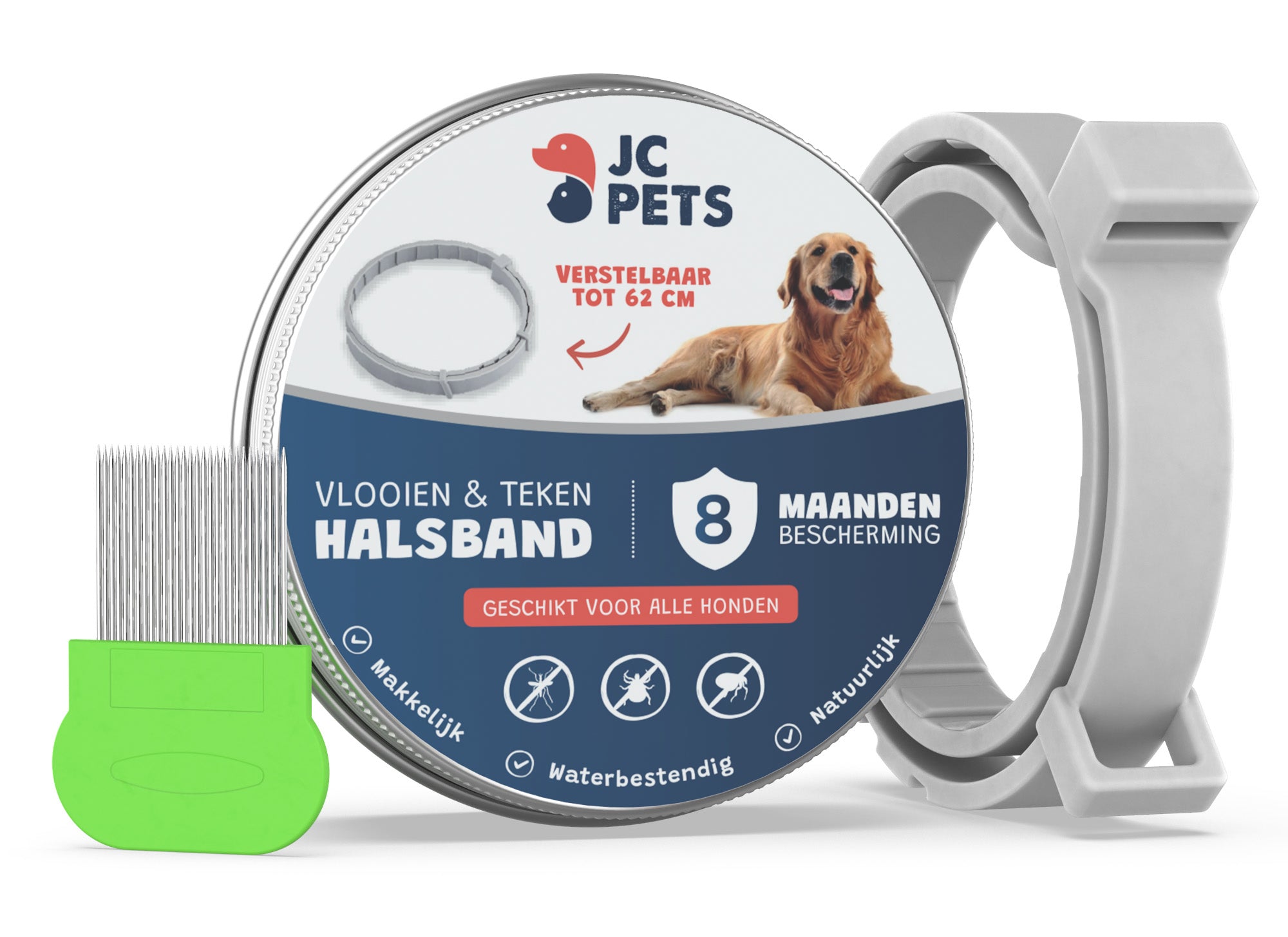
Flea and worm treatments are another important consideration. Your vet can advise on the best type of treatment for your dog. Unless otherwise advised, it's a good idea to routinely administer these treatments from the start.
Exercise and play are indispensable for your dog's well-being. Provide plenty of toys to keep your dog mentally stimulated. A daily walk is not only good for your dog's physical health but also provides an excellent opportunity for training and socialization.
With this information, you are now armed to ensure the first few days with your new dog go smoothly. It will be a period of adjustment, full of challenges but also much love and joy.

Phase 5: Behavioral Adjustments and Socialization
Understanding and encouraging desired behavior in your dog begins as soon as they come home. For example, if you want your dog to sleep in a specific spot in the house, it's important to make this clear from the start. Use positive reinforcement, such as treats and praise, to reward desired behavior. If your dog exhibits unwanted behavior, such as biting or barking, distract them with a toy or command and reward them when they respond. This is an effective way to indicate what behavior you expect from them.
Another important step in phase 5 is socialization. In this case, socialization means not only getting your dog used to other dogs but also to different types of people, sounds, and environments. Use walking time to expose your dog to new situations. For example, go to a busy street, a quiet forest, and an open field. This way, your dog gets used to different stimuli and becomes a well-adjusted, happy adult.
Phase 6: In-depth Training and Activities
After a few weeks together, you'll notice your dog becoming more familiar with their new environment and with you. This is a good time to start with more in-depth training and activities. Think about obedience classes, agility training, or even dog sports like flyball. This is not only fun for your dog but also helps build a stronger bond between you.
Don't forget that the relationship with your new dog isn't just about rules and training. Having fun is just as important. So get out and about, discover new walking routes, visit dog-friendly cafes, and most importantly, enjoy your time together.

The Conclusion: Reflection and Looking Ahead
Adopting or buying a new dog is an exciting and sometimes challenging experience. Every dog is unique, with its own needs and personality. It may take some time before you are fully accustomed to each other, but that is perfectly normal. The most important thing is to be patient, consistent, and loving in your approach.
Once you have laid the groundwork in the first few weeks, everything will become easier. You will find your own routine, learn more about each other, and hopefully build a lifelong friendship. Having a dog can be a very enriching experience that improves both your life and your dog's.
Do you have any questions or specific concerns? Don't hesitate to contact us. We are always ready to guide you on this wonderful journey of welcoming a new puppy into your life.
If you want to know more about caring for your new pet, we recommend reading our other blogs. We regularly share valuable information and practical tips on various topics important for new pet owners.
Thank you for reading, and we wish you all the best with your new, fluffy family member!